







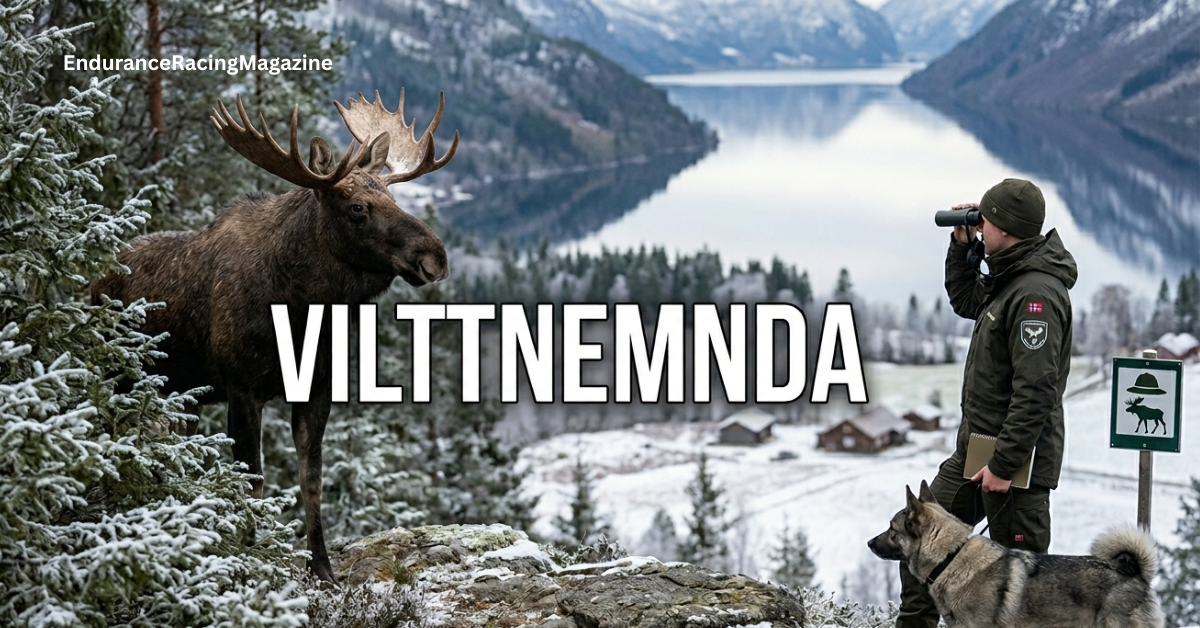
The varied and beautiful landscapes of Norway are well-known attractions. However, the difficulty of managing and preserving these valuable resources comes hand in hand with this natural beauty. Introducing Viltnemnda, the Wildlife Committee of Norway, an influential figure in the fight for animal rights and environmental sustainability. Animal and ecological advocates from all throughout the nation can find common ground through this group. Viltnemnda is essential in determining Norway’s strategy for managing wildlife, from hunting restrictions to habitat protection. Let’s take a closer look at the committee’s importance for local communities and wildlife enthusiasts.
The Role and Purpose of Viltnemnda in Norway
The function of Viltnemnda in Norway’s wildlife management is vital. Making sure animal resources are used sustainably is the main emphasis of this committee. In doing so, it establishes rules that protect the environment while still satisfying the needs of hunters and fishers.
A primary goal is to act as a mediator when disputes arise between human activity and the protection of wildlife. The goal of Viltnemnda’s regulations is to allow for controlled hunting in some areas while also protecting endangered species.
Through its educational programmes, the committee also actively involves the general population. Both hunters and anglers can benefit from these programmes’ emphasis on local ecosystems and the importance of responsible fishing and hunting.
Viltnemnda routinely does population assessments of animals by collecting data and doing research. Over time, policy decisions are made more successful with the support of this scientific approach.
Viltnemnda connects Norway’s abundant natural history with leisure activities, essentially bridging the gap between conservation and tourism.
Viltnemnda’s Responsibilities and Duties
In Norway, Viltnemnda is an important part of the system for managing wildlife. As a whole, it is responsible for carrying out the country’s policy on hunting and wildlife preservation.
Its major function is to maintain sustainable populations by establishing hunting quotas for different species. A thorough inventory of animal populations and their natural environments is required for this procedure.
When disputes arise between people and animals, Viltnemnda is an important mediator. The committee’s goal is to find peaceful solutions to problems, whether they involve herbivore crop damage or predator-prey interactions.
Its scope also includes education. Communities can learn to value nature more when people are more informed about the need to protect animals.
In addition, Viltnemnda works with other government agencies to police laws concerning animal welfare and hunting methods. The committee is a vital link in the chain that connects the dots between laws and the realities of Norway’s varied ecosystems.
You May Like: ProgramGeeks Social: Tech Community for Developers
How Viltnemnda Affects Wildlife Management in Norway
When it comes to wildlife management in Norway, Viltnemnda is a major player. The committee guarantees the sustainable monitoring and maintenance of animal populations by offering expert recommendations.
Viltnemnda uncovers patterns in population dynamics via routine evaluations of different species. Decisions on hunting quotas and conservation measures must be based on this data.
Together with neighbourhood groups, the committee works to find a middle ground between animal and human requirements. In many cases, their efforts result in novel approaches that foster harmony.
Furthermore, Viltnemnda has an impact on educational initiatives that seek to promote biodiversity awareness. Both people and tourists are encouraged to interact with environment responsibly through these efforts.
The committee encourages open communication amongst all parties involved in order to make decision-making processes more transparent. People whose livelihoods are dependent on natural resources are more likely to trust this strategy since it is inclusive.
Controversies Surrounding Viltnemnda
Conservationists, hunters, and the broader population frequently engage in passionate discussions when issues pertaining to Viltnemnda are at stake. Some feel it prioritises hunting interests over protecting wildlife in its rulings.
How quotas are set for specific species is a big source of disagreement. A lot of people think these figures could be too high and could threaten population stability. Opponents argue that unrestricted hunting makes animal populations harder to control.
The lack of openness surrounding the decision-making procedure is another concern. When it comes to policies that impact their local ecosystems, some stakeholders feel neglected or under-consulted.
These conflicts illustrate how Norway’s strategy for managing wildlife is fraught with conflicting commercial interests and ecological responsibilities. Expectations for ethical practices within Viltnemnda’s framework change in tandem with society ideals.
The Future of Viltnemnda in Norway
Many in Norway are concerned about Viltnemnda’s future. The committee will need to adjust to shifting ecosystems and animal populations as environmental threats intensify.
More and more cities are encroaching on natural areas, which is bringing some animals dangerously near to people. To successfully manage these problems while encouraging cohabitation, Viltnemnda will require new techniques.
Furthermore, new dynamics brought about by climate change impact animal behaviours and migration patterns. Working in tandem with environmentalists and scientists, the committee’s function will develop to guarantee the adoption of sustainable methods.
For Viltnemnda to be successful, public engagement is still vital. One way to get people involved in decision-making is to raise their level of knowledge about the importance of protecting wildlife.
Additionally, new technological possibilities provide encouraging ways to monitor the whereabouts of animals. Improving data gathering and informing future management decisions could be possible with these techniques.
Viltnemnda must navigate competing interests while staying true to its mission of preserving Norway’s abundant biodiversity in the face of changing public perceptions of nature.
Conclusion
In Norway, Viltnemnda plays an important and varied role. This organisation is vital in bridging the gap between community concerns, conservation initiatives, and animal management. It is critical that stakeholders participate in ongoing conversations about its duties and efficacy.
The function of Viltnemnda may change even further as people become more conscious of the dangers of global warming and the dwindling biodiversity. This group may need to come up with creative answers to new problems in the future. Wildlife and human populations must work together to find a way forward, whether that’s through stronger partnerships with environmental groups or a heightened emphasis on sustainable activities.
Being open and honest is going to be really important as we go into more heated debates about hunting restrictions and species conservation measures. Building trust among community members and enhancing decision-making processes are both facilitated by listening to everyone’s opinions.
The intricate web of relationships between people and the natural world requires cautious navigation in the future. To ensure that future generations can enjoy Norway’s diverse animal resources in harmony, it is important to comprehend the roles played by entities like Viltnemnda.
Read More: Faibloh: Meaning, Uses & Online Trend